The produce
What Kos actually grows and makes
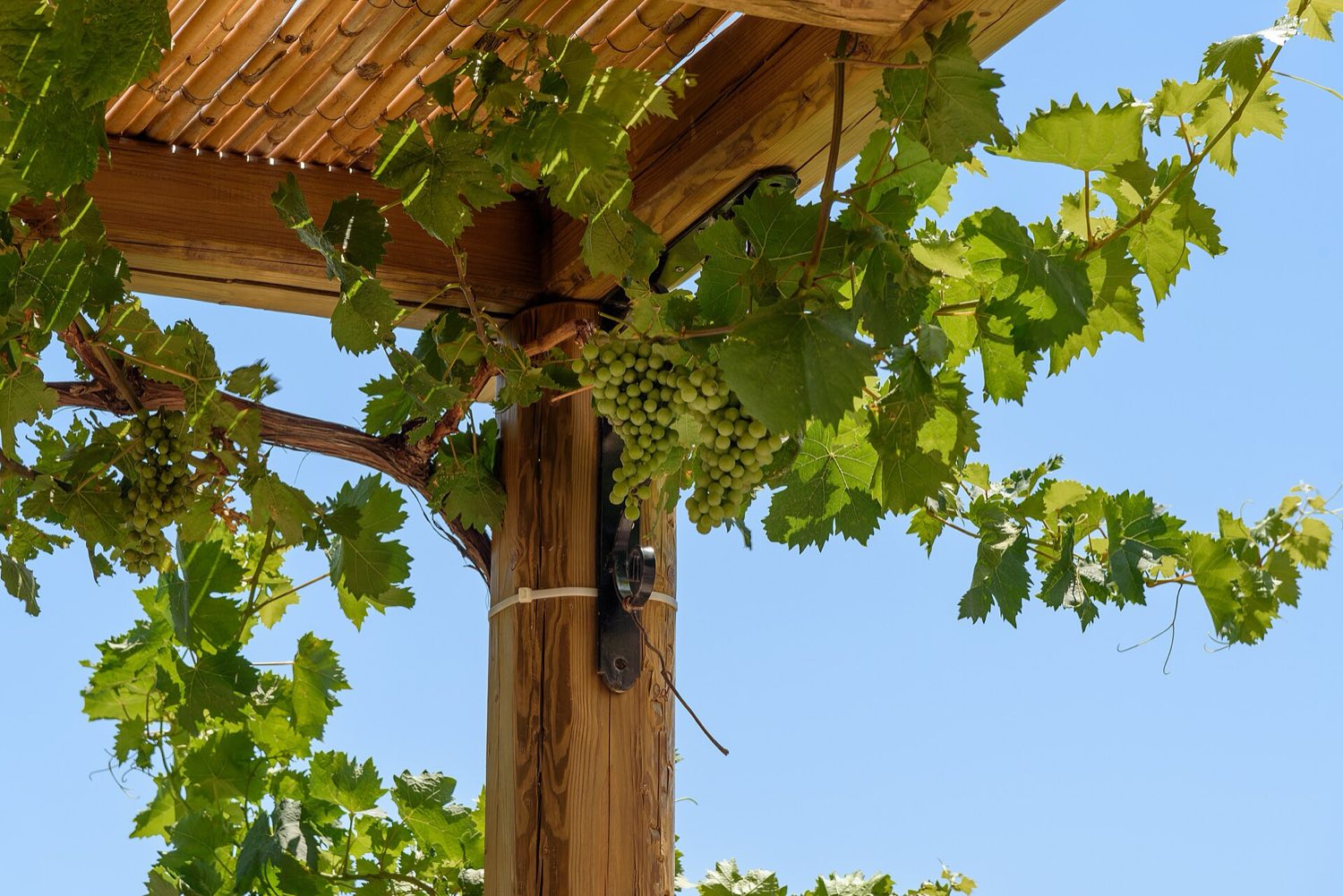
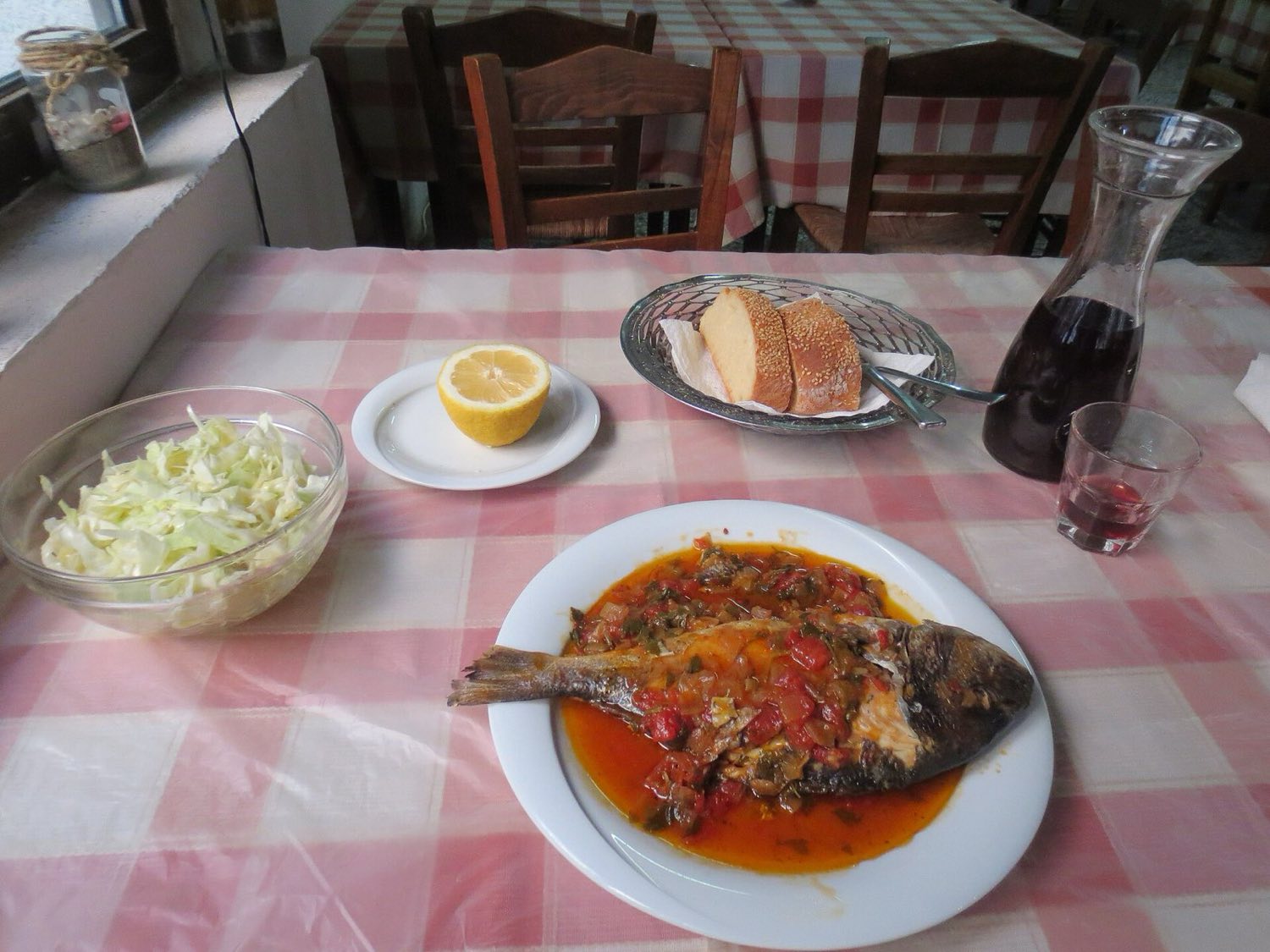
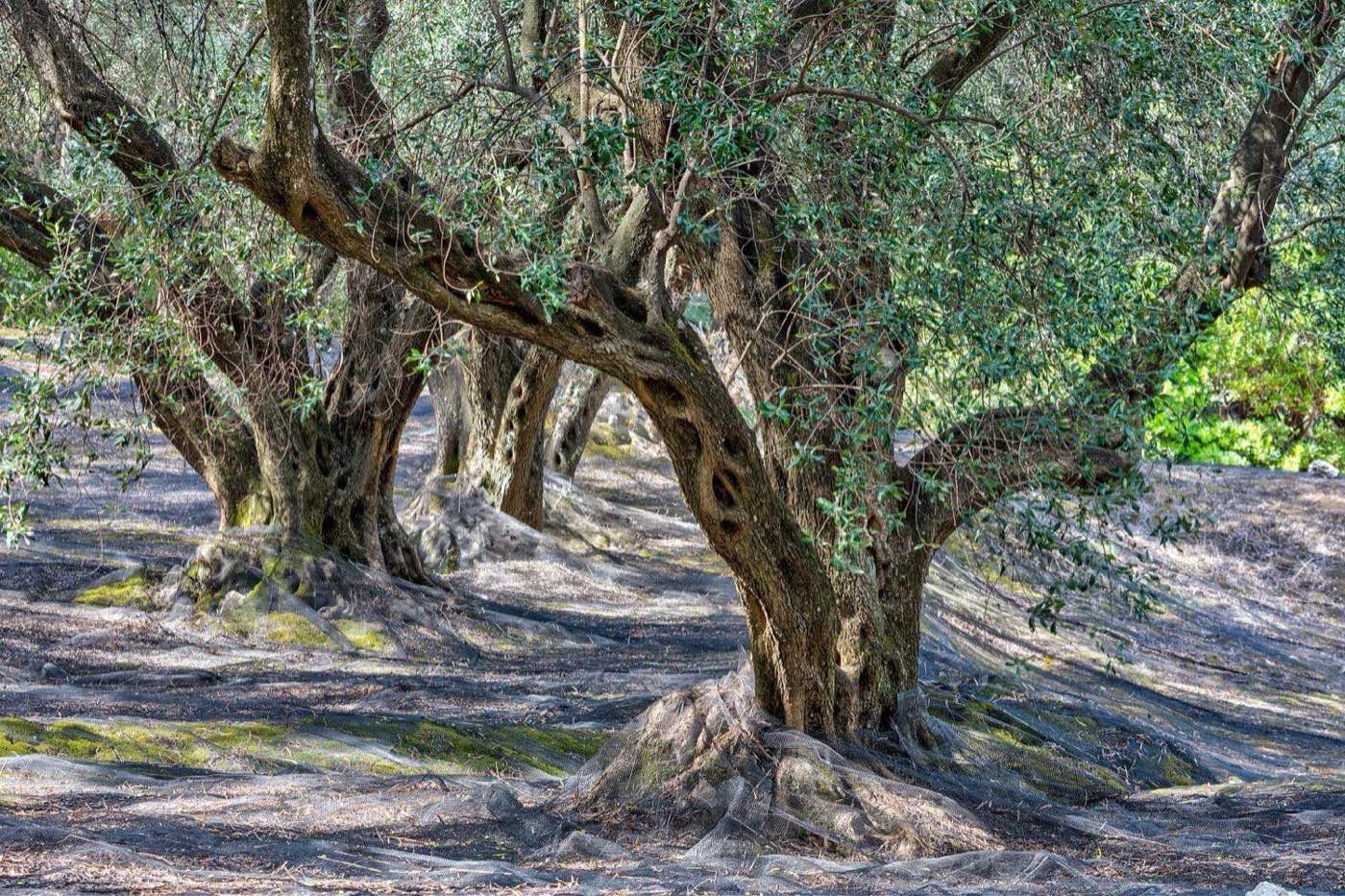
The farmed plain between the Dikeos ridge and the coast carries olives, vines, figs, watermelon
and tomatoes; the hill villages keep goats and bees. That is the shopping list behind
everything genuinely local: olive oil, thyme honey, goat and sheep cheese, and wine on
a small scale.
The island's signature product is krasotyri, a hard sheep or goat cheese
matured with wine or grape must, which stains the rind red and gives a sharp, faintly winey
edge. It is sold in shops and served as a mezze — and it is not feta.
The four grapes you will meet
Greek wine lists look impenetrable until you know four names. Assyrtiko is the
great dry white — high acidity, citrus, and a mineral, almost salty finish.
Moschofilero is a pink-skinned grape making pale, floral whites that suit a hot
afternoon.
For reds, Agiorgitiko from Nemea is the friendly one: soft tannins, red plum,
a touch of spice, good slightly cool with grilled meat. Mavrodaphne is the
sweet fortified red that turns up with dessert. Island bottles are usually blends built around
Assyrtiko and Athiri, and cheap enough to experiment with.
How a Kos winery differs from Santorini
Santorini's wineries are set up for volume: terraces, tasting flights, cruise groups.
Kos wineries are farms. You may taste in a courtyard with a dog under the
table, the range will be short, and nobody has a gift shop. Better as an experience, worse to
organise — so booking ahead is not optional.