Context
The species that actually live in these waters
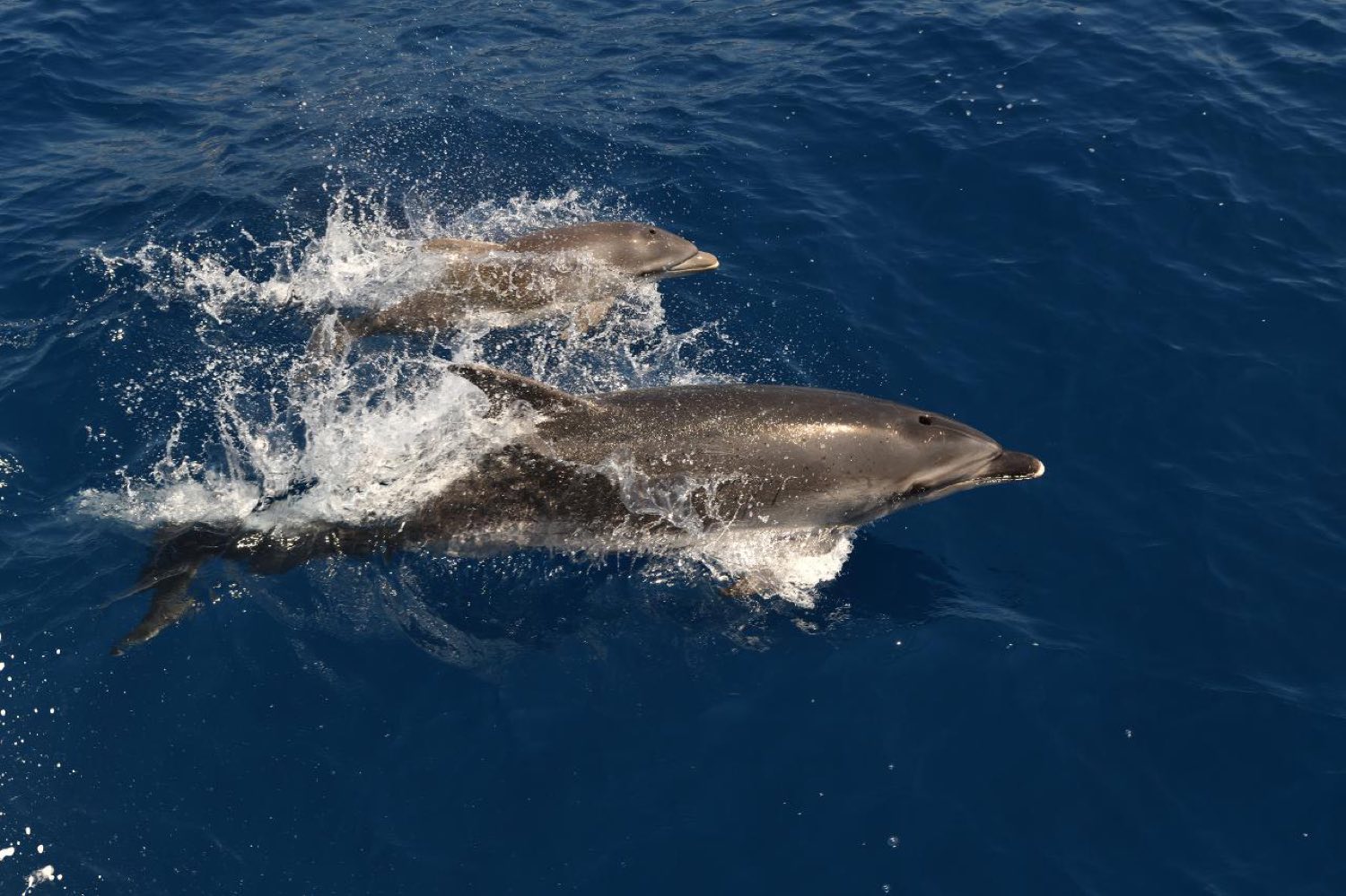
Three dolphin species are the realistic candidates in the eastern Aegean. The
short-beaked common dolphin is small, fast and yellow-flanked, and has
declined sharply in the Mediterranean. The striped dolphin is the deep-water
species, usually found in large groups well offshore. The common bottlenose
dolphin is the big, grey, familiar one, the most coastal of the three and the most
likely to appear near a boat. Beyond them, Greek waters hold Risso's dolphin, sperm whale and
Cuvier's beaked whale in the deep trenches — none of which is a plausible sighting from a Kos
day boat.
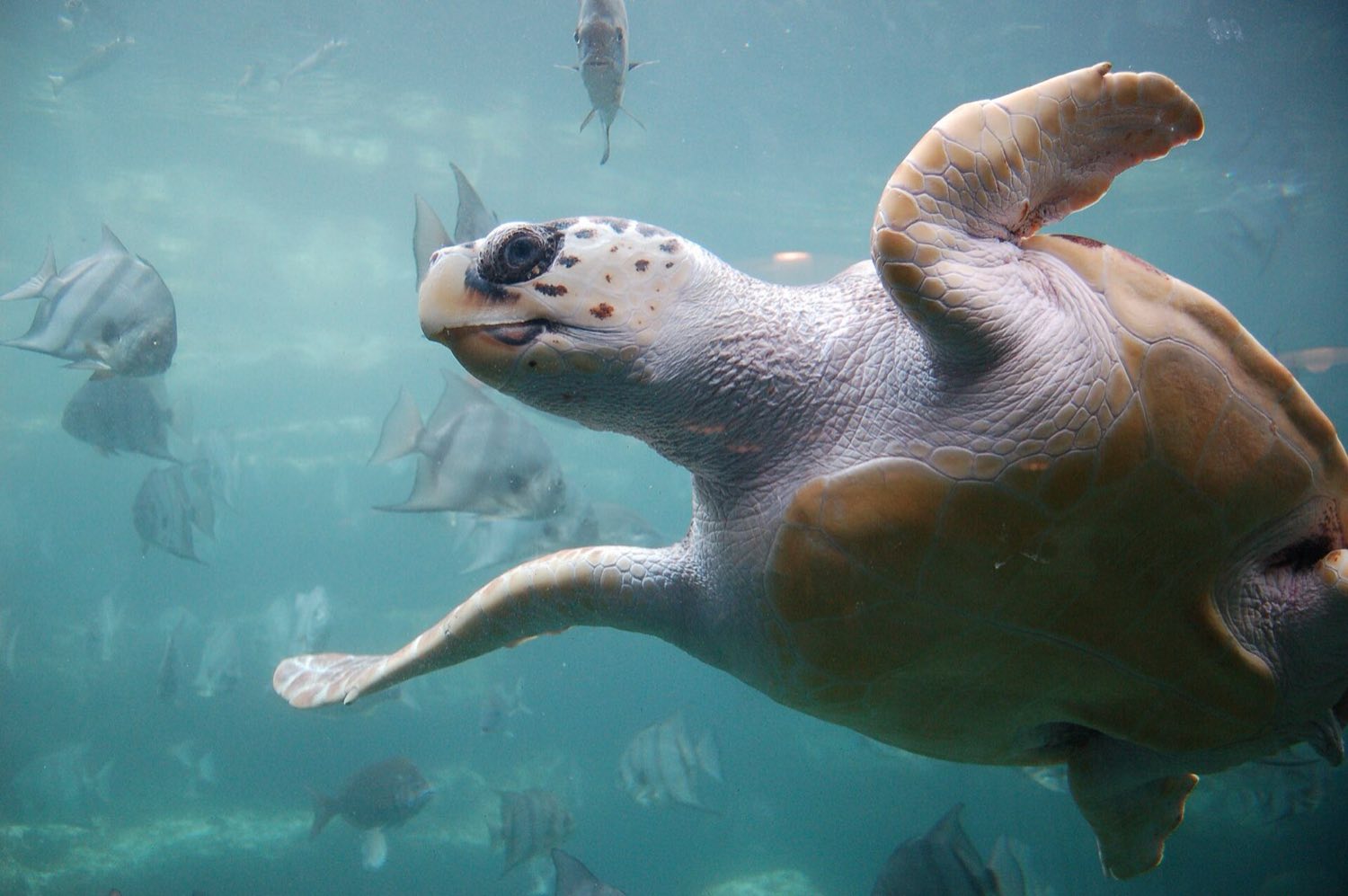
The turtle is the loggerhead, Caretta caretta — heavy-headed, brown,
and the one you see in every Greek turtle photograph. It feeds on jellyfish, crustaceans and
molluscs, so it turns up wherever there is food, including harbours. Greece hosts the
Mediterranean's most important loggerhead nesting beaches, but those are in the Ionian and on
Crete: Zakynthos, Kyparissia Bay, Rethymno. Kos is not a nesting island in any
meaningful sense, so any offer of "turtle nesting tours" here should be treated with real
scepticism.
The rarest animal in these waters is the Mediterranean monk seal, one of the
world's most endangered marine mammals, which survives in the Dodecanese and hauls out in sea
caves. Sightings happen, mostly from boats working quiet coastline. If you are lucky enough to
see one, keep well away — disturbance at a resting site is genuinely damaging.
Why are numbers thin? The eastern Mediterranean is nutrient-poor, which means a thinner food
chain to begin with, and then decades of intensive fishing, bycatch in nets, boat strike,
underwater noise and plastic have done the rest. This is not a pristine sea with hidden
abundance; it is a beautiful, clear, heavily used one. Understanding that is what makes the
honest version of this page more useful than a promise.
If your real question is "what will we actually see in the water", the answer is on the
snorkelling page — seagrass, wrasse, bream and octopus, reliably,
for free. For which boat suits which age, read Kos with kids, and for
the full range of formats start at the kos.boats home page.