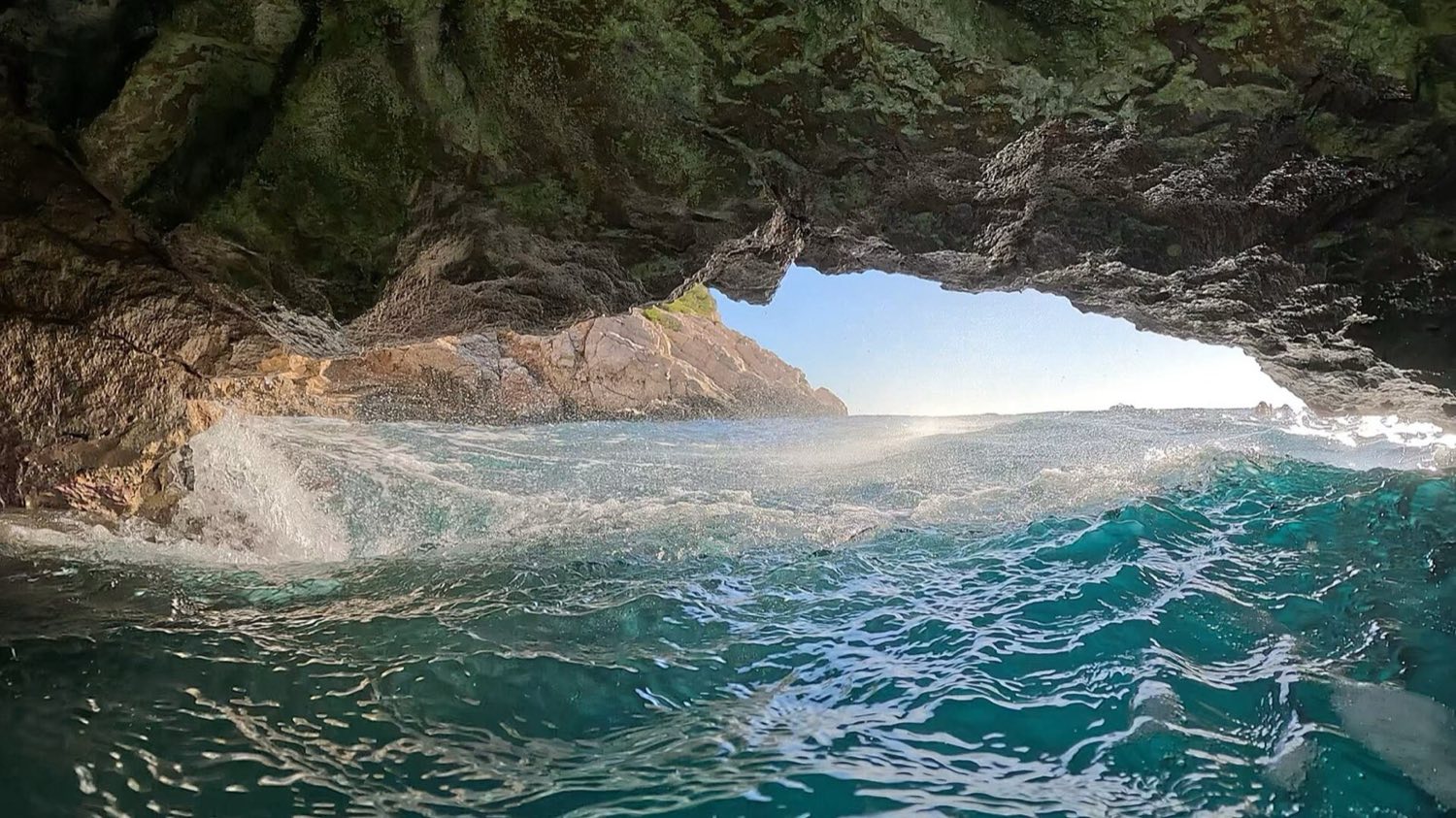
Snorkeller finning over a rocky seabed and seagrass in clear Mediterranean water
Aegean Sea · Dodecanese · Kos

Snorkeling in Kos: Best Spots, Real Marine Life and Boat Trips

Kos has excellent water clarity and almost no coral. Snorkelling here means seagrass meadows, rock shelves, wrasse, sea bream and — if you look properly — octopus. Get your expectations right and pick the coast the wind is not hitting, and it is one of the best free things to do on the island.

None
Coral reefs — this is not the Red Sea
5–15 m
Typical summer visibility
24–26 °C
Sea temperature Aug–Sep
May–Oct
Comfortable snorkelling season

Bookable now

Kos boat trips with snorkel stops, live availability

What you're seeing: real departures for the coming weeks, pulled from GetYourGuide. Most Kos snorkelling happens on the swim stops of a cruise rather than on a dedicated snorkel tour — open a listing to see whether masks and fins are provided.

Powered by GetYourGuide

Quick summary

Snorkelling on Kos at a glance

The questions people ask before they pack a mask. Nothing here needs a ticket unless you want a boat under you.

Price bands compiled from operator listings on GetYourGuide for the current season; confirm before booking. Sea temperature and visibility figures are typical summer values, not guarantees.
Cost to snorkel from shore Free. Every beach on Kos is public. Bring a mask and walk in.
Boat trip with snorkel stops Around €30–60 per adult for a half or full day, gear sometimes included. Cruise details
Gear Beach kiosks and dive shops rent masks and fins by the day; a decent mask and snorkel to keep costs about the same as two days' hire. Buy before you fly if you can.
What you'll actually see Posidonia seagrass meadows, rock shelves, wrasse, sea bream, damselfish, mullet, sea urchins and — with patience — octopus and cuttlefish.
What you won't see Coral reefs, big schooling pelagics or turtles on demand. The Aegean is clear because it is nutrient-poor, and nutrient-poor means fewer fish.
Best entry type Rocky and pebble shores. Sand is easy to walk into but there is nothing living on it — swim to where the rock starts.
Best time of day 08:00–11:00. Flat water before the wind builds, and the sun already high enough to light the seabed.
Which coast When the meltemi blows from the north, snorkel the south and west bays. The north coast turns to milky chop.
Advance booking Only for boat trips, and only really in July and August. Shore snorkelling needs no plan at all.

Bands compiled from publicly listed operator prices on GetYourGuide for the current season. Sea temperature and visibility vary year to year — check a current sea-temperature source for your dates. How we source numbers.

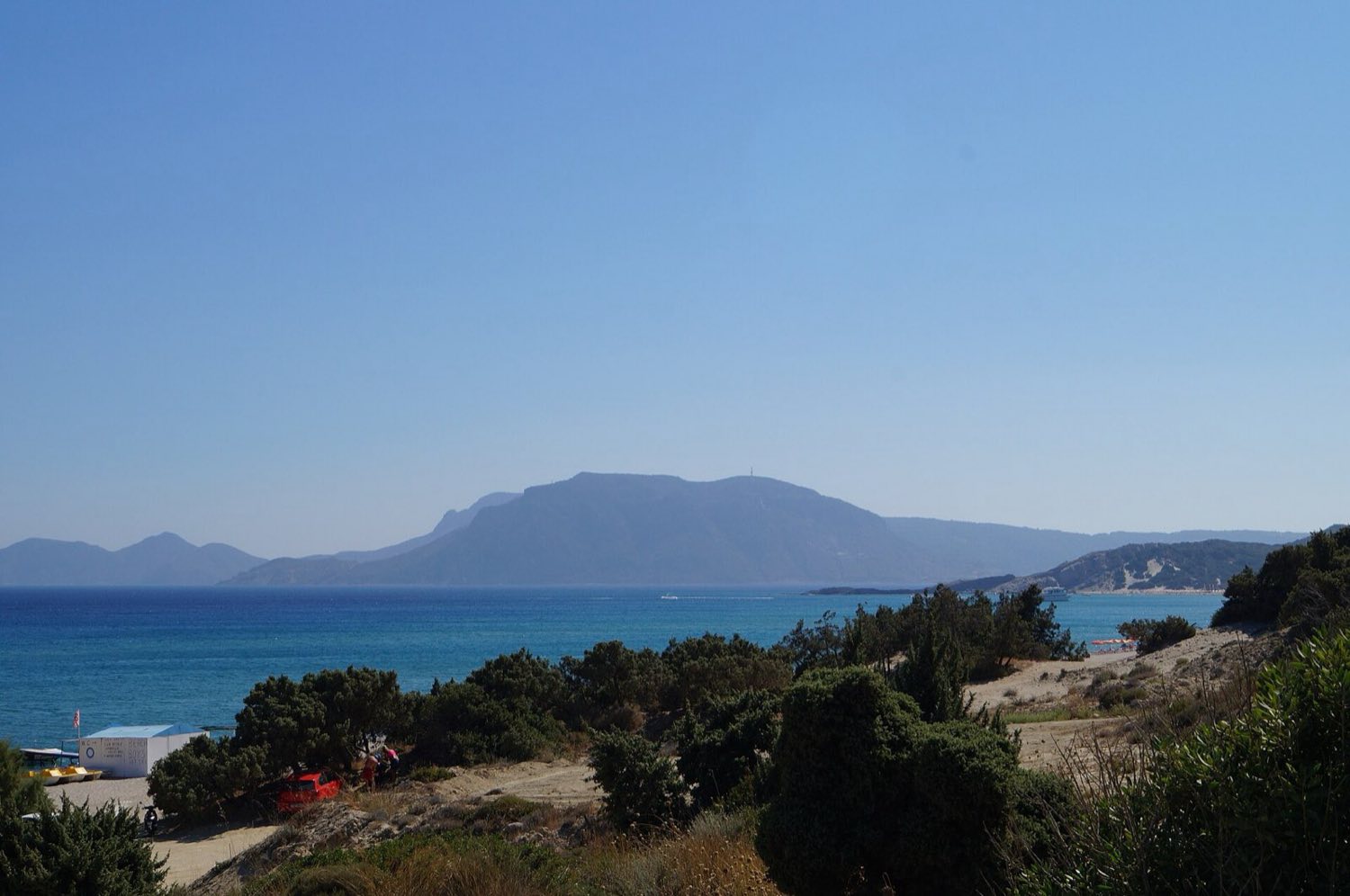
Clear shallow water and rocky headland at Paradise Beach in Kefalos bay, southern Kos
Sand in the middle, rock at the edges. On Kos the interesting snorkelling is always at the edges.

The one rule that changes everything

Do not snorkel over sand. Swim out to the point where the sandy bottom gives way to rock, boulder or seagrass — usually 20–60 m out at the ends of a bay — and the difference in what you see is not subtle. Everything on Kos lives on structure.

Compare your options

Shore, boat or guided dive — three ways to get in the water

There is no snorkelling ticket on Kos. What you are choosing between is free access from a beach, a boat that carries you to water you cannot swim to, and paying an instructor to put a tank on your back.

Option 1

Shore snorkelling

Free / gear hire if you need it


  • Every beach on Kos is public access
  • Go when the wind and light suit, not when a boat leaves
  • Best on rocky headlands and pebble bays
  • Repeatable — you'll get better at spotting octopus
  • Limited to what you can safely swim to
  • Boat traffic in unmarked water is a real hazard

Pick this if you have a mask, a spare morning and any interest in doing the same bay twice. This is how most good snorkelling on Kos happens.

Best balance

Option 2

Boat trip with snorkel stops

€30–60 / adult, half or full day


  • Anchorages off islets you cannot reach from land
  • Deeper, clearer water away from beach churn
  • A ladder, a crew and someone watching the water
  • Lunch and the rest of the day out included
  • Swim stops are 30–45 minutes, not all morning
  • Gear is not always provided — check the listing

Pick this if you want the clearest water of your holiday and are happy to combine it with a day out. The 3-island cruise is the usual vehicle.

Option 3

Try-dive or certified diving

Dive-centre pricing / per dive or per course


  • A try-dive needs no certification, just a briefing and a medical form
  • An entry-level certification opens up guided dives to around 18 m
  • Walls, wrecks and caverns snorkellers never see
  • Instructor-led, so non-swimmers are handled properly
  • A no-fly interval applies afterwards — plan around your flight
  • Much more expensive per hour in the water

Pick this if snorkelling has stopped being enough, or you want one properly memorable dive rather than five average swims.

Check whether gear is included

"Snorkelling" on a cruise listing can mean a box of shared masks in varying condition, or nothing at all. Two boats on the same route differ on this. If you care, bring your own mask — it will fit your face, which is most of whether snorkelling is enjoyable.

Where to go

Best snorkelling spots on Kos, by coast

Kos runs roughly north-east to south-west, and that geometry decides your day. Pick the coast the wind is not hitting, then find the rock.

  1. Kastri islet, off Agios Stefanos — the best on the island

    The small islet with the chapel sits a short swim off the beach at Agios Stefanos, near Kamari in the south-west. The channel between beach and islet has rock, boulder and seagrass, good clarity and enough structure to hold fish. It is also a busy channel for small boats and paddlers, so stay shallow, wear something bright and do not cross blind.

  2. Limnionas, west coast

    A small bay with rocky sides at the end of a road across the Kefalos peninsula. Sheltered from the northerly, which makes it the go-to when the meltemi has shut down the north coast. Swim to either headland rather than staying over the sand in the middle.

  3. Paradise Beach and the Kefalos bay headlands

    The famous sandy stretch itself is dull underwater. The rocky ends of the bay are not — work along either headland in the first hour of the day, before the boats and banana rides arrive. Getting to Paradise Beach is a half-day commitment from Kos Town, so combine it with a proper morning in the water.

  4. Psalidi and the east-facing shore near Kos Town

    Pebble and rock rather than sand, walkable or cyclable from town, and calm on mornings when the north coast is blown out. Not spectacular, but the most convenient real snorkelling on the island if you are staying in Kos Town.

  5. Therma, east of Kos Town

    Rocky entry with warm spring water seeping in near the Embros Therma pool. Interesting for the geology and the temperature gradients as much as the fish. Wear something on your feet — the entry is sharp and there are urchins.

  6. Where not to bother

    Tigaki, Marmari and Mastichari on the north coast: shallow, sandy, and churned to milk by the afternoon wind. They are excellent for children and windsurfers and poor for snorkelling. Save them for a different kind of day.

Read the wind before you drive anywhere

If the flags on the north coast are standing straight out, the whole north side is a write-off for snorkelling — and the south and west bays will be glassy. That single check from your balcony saves an hour of driving to the wrong coast.

Sea urchins and weever fish

Black sea urchins sit in crevices on every rocky entry on Kos, and their spines break off in your foot. Wear reef shoes to get in and out. On sandy patches, shuffle your feet rather than stamping — weever fish bury themselves and have a genuinely painful venomous spine. If either happens, soak the wound in water as hot as you can bear and get it looked at.

Lionfish are now a thing here

Lionfish have spread through the eastern Mediterranean in recent years and are recorded in the Dodecanese. They are beautiful, slow and armed with venomous spines. Look, do not approach, and never try to handle one.

Timing

When the water is actually clear

Mornings, before the meltemi

The meltemi is the dry northerly that blows down the Aegean in summer, peaks in July and August, and typically builds through the afternoon. Wind means surface chop, and chop means suspended sand and no light on the bottom. Be in the water by 09:00 and you get the flat, lit conditions that make snorkelling worthwhile. By 15:00 the same bay can be unusable.

Best months

  • Late May to June — water cool but swimmable, clarity excellent, beaches empty.
  • July and August — warmest air, windiest afternoons, busiest bays. Go early.
  • September — the best month. Warmest sea of the year, the meltemi easing, and the light still high.
  • October — clear and quiet, and cold enough after an hour that a shorty wetsuit or rash vest earns its place.

Light, not just water

Visibility is only half the story: colour underwater depends on the sun being high enough to reach the bottom. Between 10:00 and 14:00 a 5 m seagrass meadow looks green and alive; at 18:00 the same meadow is grey. Early morning is calmest, late morning is brightest — and late morning usually wins.

Sun protection that works in water

Floating face-down for an hour will burn your back and the backs of your legs through any sunscreen. Wear a rash vest or a T-shirt, which also removes the question of reapplying cream. Where you do use cream, choose a reef-safe mineral formulation — you are swimming directly over protected seagrass.

How to save

Snorkelling Kos on almost no budget

Buy the mask at home, not on the beach

Beachfront kiosks charge daily rates that add up fast over a fortnight, and the masks leak. A cheap tempered-glass mask and snorkel bought before you fly pays for itself within a few days and actually fits your face.

Skip the fins, use the bus

You do not need fins for a shallow bay, and full-length ones eat your hand luggage. KTEL buses already serve most of the beaches worth snorkelling, so a hire car is only worth it if you plan to chase the wind between coasts.

Get your boat snorkelling as a by-product

Nobody on Kos needs to buy a dedicated snorkel excursion. The swim stops on a standard cruise put you in deeper, clearer water than any beach, and you get lunch and a day out for the same money. If you want the water to yourself, a self-drive rental boat split between four is cheaper than four cruise tickets.

Children and non-swimmers

Most operators price children well below full fare and infants free, with bands set on the booking page. For nervous swimmers, a buoyancy vest and a shallow sandy entry beats any paid activity — the Kos with kids guide covers which beaches shelve gently.

On "island passes"

Kos has no island-wide pass covering beaches, boats or activities, and no beach charges for entry. Savings come from operator combinations, not from a card.

What a morning in the water costs, per adult
How you do itBudget
Own mask, walk to a public beachFree
Mask and fins hired for a dayLow, per day
Boat trip with swim stops€30–60
Rental boat split by four€40–60 plus fuel
Try-dive with an instructorDive-centre pricing

Boat bands compiled from publicly listed operator prices on GetYourGuide for the current season. Gear hire and dive-centre prices are set locally and are not published here — ask at the shop.

Take nothing out of the water

Posidonia seagrass is a protected habitat and the nursery for most of what you are looking at. Do not stand on it, pull it up, collect shells with animals still in them, or take urchins or starfish out of the water. Look, photograph, leave it.

How to get there

Reaching the good water

Everything worth snorkelling on Kos is on the south or west side of the island, which is also the far side from Kos Town. Plan the drive.

  1. Hire car — the only way to chase the wind

    Kos Town to the Kefalos peninsula, where Limnionas, Agios Stefanos and Paradise Beach are, is about 45 minutes. That is the single most useful number on this page: a "quick snorkel" at the good spots is a half-day out.

  2. KTEL bus

    Buses run from Kos Town along the north coast and down to Kardamena, Mastichari and the Kefalos villages, with beach services in season. Workable for a fixed plan, useless for changing coast at short notice. Kos Town is also flat with separated cycle lanes, so Psalidi is an easy ride with a mask in a rucksack.

  3. By boat

    The best water is off the islets, and the only way to it is a hull. Take the swim stops on a group cruise, or hire a small boat and anchor somewhere nobody else is — see private boat trips for how per-boat pricing works.

  4. Parking at the good bays

    Limnionas and Agios Stefanos have small informal parking areas that fill by late morning in August. Arriving at 08:30 solves parking, crowds and water clarity in one move.

Context

Why the Aegean looks the way it does underwater

The clarity that makes snorkelling on Kos pleasant and the sparseness that makes it modest are the same fact. The eastern Aegean is oligotrophic — very low in dissolved nutrients — so there is little plankton in the water column. Little plankton means you can see 15 m on a good day, and it also means a thinner food chain than a nutrient-rich sea. Anyone arriving from the Red Sea or the Caribbean should reset expectations before they get in.

The habitat that carries the ecosystem is Posidonia oceanica, the Mediterranean seagrass that forms the dark meadows you swim over off almost every Kos beach. It is a flowering plant, not an alga, it grows extremely slowly, and it is a protected habitat under European law. Those meadows are the nursery for the bream, wrasse and mullet you see, and they are damaged by anchors and by people standing on them. Treat the dark patches as the interesting part, not the bit to avoid.

The animals to expect are small and worth learning to spot: wrasse working the rocks, saddled and two-banded sea bream, damselfish over boulders, grey mullet in the shallows, hermit crabs and black sea urchins in every crevice. The prizes are common octopus — look for a tidy pile of broken shells outside a hole rather than for the animal — and cuttlefish over seagrass. Bigger animals are luck: the Mediterranean monk seal survives in the Dodecanese and loggerhead turtles pass through. Neither can be booked.

Diving on Kos adds what snorkelling cannot reach: walls, caverns and deeper rock. A try-dive with an instructor needs no qualification, and an entry-level certification opens up guided dives to around 18 m. One planning point matters more than any other — a no-fly interval applies after diving, so do not book a dive for the day before your flight home. Ask the dive centre for their exact rule.

For where to swim rather than snorkel, the beach comparison sorts the island by sand, shade and wind. For what actually lives out there and the honest odds of seeing it, read dolphins and sea turtles on Kos. And if you are still assembling the week, the kos.boats home page lays out every format.

FAQ

Snorkelling on Kos: common questions

Is snorkelling in Kos good?

It is good rather than spectacular. Water clarity is genuinely excellent — 5 to 15 metres on a calm summer morning — but the Aegean is nutrient-poor, so there is no coral and fewer fish than a tropical sea. Snorkel the rocky ends of bays rather than open sand and it becomes properly enjoyable.

What can you see snorkelling in Kos?

Posidonia seagrass meadows, rock shelves and boulder fields, with wrasse, sea bream, damselfish, grey mullet, hermit crabs and black sea urchins. Common octopus and cuttlefish are the finds worth hunting for. Monk seals and loggerhead turtles exist in these waters but seeing one is luck, not planning.

Where are the best snorkelling spots on Kos?

The channel out to Kastri islet off Agios Stefanos is the best shore spot on the island. Limnionas on the west coast is the reliable choice when the north wind is up, the rocky headlands at either end of Kefalos bay reward an early start, and Psalidi and Therma are the convenient options from Kos Town. Skip Tigaki, Marmari and Mastichari — sandy, shallow and wind-churned.

Do I need to bring my own snorkelling gear to Kos?

Bring your own mask if you can. Beach kiosks and dive shops rent masks and fins by the day, but hire masks leak and fit is most of whether snorkelling is enjoyable. Boat trips vary — some provide gear, some do not — so check the inclusions on the listing rather than assuming.

Are there sea urchins or dangerous fish on Kos?

Black sea urchins are on every rocky entry, so wear reef shoes getting in and out. Weever fish bury themselves in sand and have a painful venomous spine — shuffle your feet instead of stamping. Lionfish have spread into the eastern Mediterranean and are recorded in the Dodecanese; look but never handle one. For any venomous sting, soak the area in water as hot as you can bear and get it checked.

When is the water clearest for snorkelling on Kos?

Mornings, before the meltemi builds. Aim to be in the water by 09:00 and out before the afternoon chop stirs up sand. September gives the best combination of the year — warmest sea, easing wind, high sun. If the north-coast flags are standing straight out, move to a south or west bay instead.

Can you dive on Kos without a certification?

Yes — a supervised try-dive requires only a briefing and a health declaration, and takes you to shallow depth with an instructor alongside. An entry-level certification course takes a few days and opens up guided dives to around 18 metres. Remember the no-fly interval after diving and do not schedule a dive for the day before you travel home.

Can you snorkel with turtles or dolphins on Kos?

No — and be sceptical of anything that suggests otherwise. Loggerhead turtles and dolphins do occur in these waters but sightings are opportunistic, there is no reliable organised operation on Kos, and approaching either is harmful and legally restricted. Our dolphins and sea turtles page sets out the real odds and the rules.

Get to the water a boat can reach

Check live availability and inclusions for Kos snorkelling and boat trips on GetYourGuide, the authorised reseller we link to throughout this guide.